


Unregistered and Delivering SIL? How to Register Before 1 July 2026
In short: If you deliver Supported Independent Living (SIL) but aren't registered, you can keep delivering throughout the transition — but you must lodge a valid registration application by 1 October 2026 to keep operating beyond that date. You do not need to be registered by 1 July 2026.The good news is you can keep delivering SIL throughout the process. Applying before 1 July also gives you a choice about audit timing that later applicants don't get. Registration takes months, so the sooner you start, the more control you have.
Status update, 19 June 2026: The new SIL Practice Standards are in final draft, with the final version expected before 1 July 2026. You can prepare against the draft now. We'll update this guide when the final standards land.
If you are delivering SIL right now without NDIS registration, this is the most important reform in years for your business, and you are the group with the most to do. The reassuring part is that you do not have to stop. The sobering part is that the path to registration is longer and more involved than many providers expect, and the providers who leave it late are the ones who get squeezed.
This guide walks through exactly what you need to do, the one strategic decision that is unique to applying early, what it costs, and what happens if you wait. For the timeline and the reasons behind the reform, see our main guide to SIL mandatory registration.
Do I have to stop delivering SIL while I register?
No, and this is the single most important thing to understand. The Commission's transition arrangements let you keep delivering SIL while your application is processed, provided you have a valid application in. You do not down tools and wait for a certificate. You continue supporting your participants throughout.
That continuity is exactly why starting early matters. Registration is not instant, so the way to protect your ability to trade is to get a valid application lodged well before the pressure points, not to wait until the deadline is breathing down your neck.
What do I need to do, and by when?
Registration follows a set sequence:
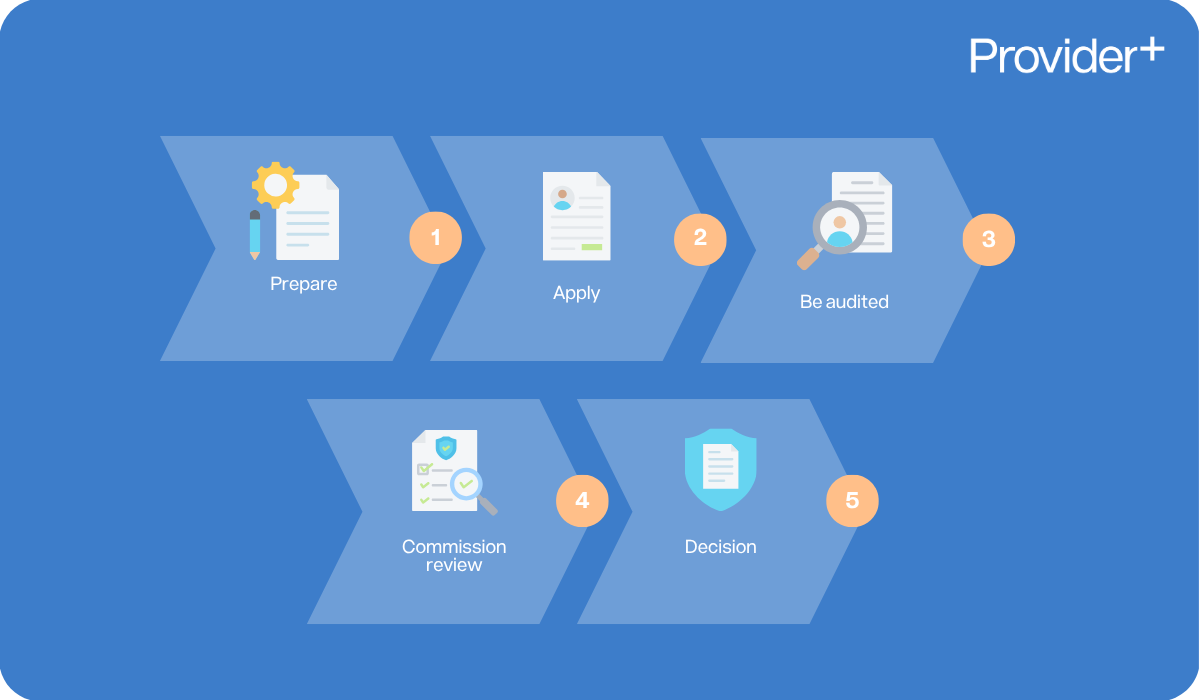
- Prepare. Review your operations against the SIL Practice Standards and the Core Module, and get your policies, records and governance evidence in order.
- Apply. Lodge a valid registration application with the NDIS Commission for 0138 and any other classes you deliver by 01 October 2026. You then receive a scope of audit.
- Be audited. Engage an Approved Quality Auditor and complete a two-stage certification audit (a Stage 1 documentation review, then a Stage 2 on-site assessment with staff and participant interviews).
- Commission review. The Commission reviews your application and audit and may ask for more information. You keep delivering during this time.
- Decision. If approved, you receive your certificate of registration.
On the registration group: if you lodge before 1 July 2026, the new group 0138 does not formally exist yet, so your application is made under 0115 (Assistance with Daily Life Tasks in a Group or Shared Living arrangement), and the Commission automatically updates it to add 0138 (Assistance with supported independent living) from 1 July. In plain terms, apply now and the group code is handled through the transition. You don't need a second application to get 0138.
The hard backstop for currently-delivering providers is 1 October 2026: a valid application must be in by then to keep delivering. Applying before 1 July puts you comfortably ahead of that, and it unlocks the decision below.
Should I be audited before or after 1 July?
This is the strategic lever that only early applicants have, and it is worth real thought.
- If your audit happens before 1 July 2026, it will not include the new SIL Practice Standards. The scope is lighter. The trade-off is that you may receive conditions of registration requiring you to undertake additional audits later, once the new standards are in effect.
- If your audit happens after 1 July 2026, it will include the new SIL Practice Standards in full.
There is no single right answer. A provider who is confident on the existing standards but still building evidence against the new ones might prefer an earlier, lighter audit and accept a follow-up later. A provider who is already well prepared on the new standards might prefer one comprehensive audit that covers everything in a single pass. The choice depends on your readiness and your appetite for a second audit, and it is exactly the kind of decision worth talking through with someone who knows the standards.
What will I be audited against?
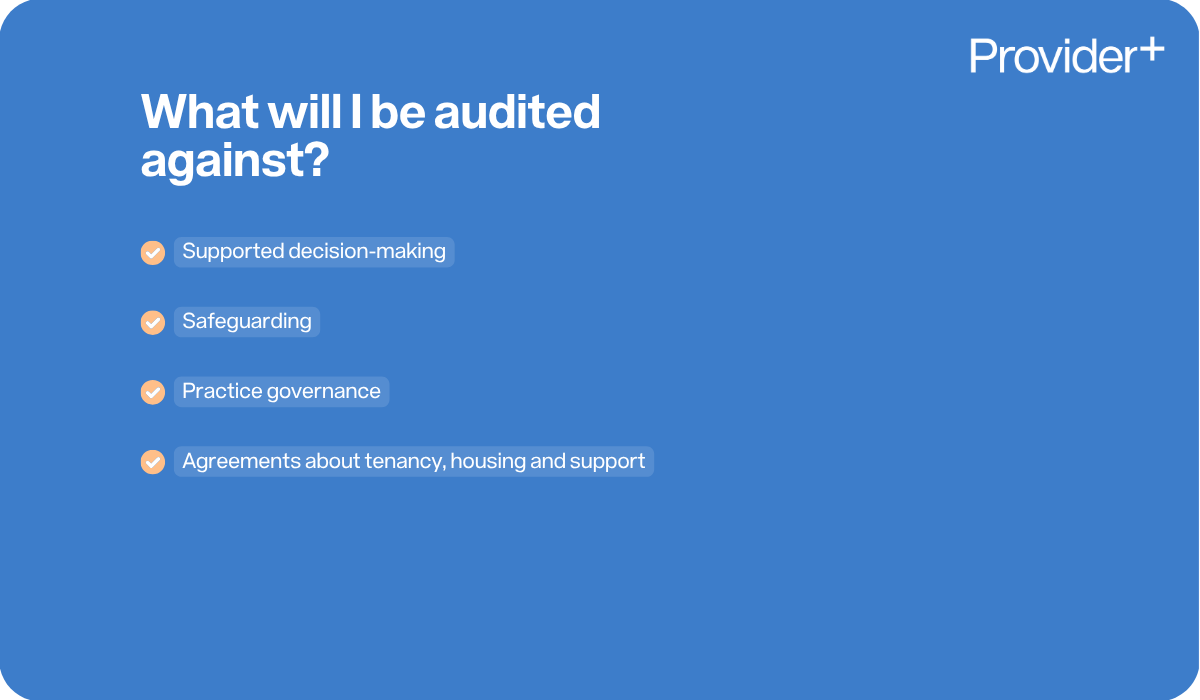
The draft SIL Practice Standards are built around four outcomes, and auditors gather evidence from your documents, your records, what they observe in the service environment, and what your workers and participants tell them. Policies on their own are not enough; the auditor checks whether your practice matches them.
- Supported decision-making. Decisions about a participant's home, routines and relationships are made by them, not for them, with a trail showing how a decision was reached and who was involved.
- Safeguarding. How you prevent, identify and respond to harm: incidents, complaints, risk and restrictive practices, with a working incident register rather than events buried in shift notes.
- Practice governance. Whether your policies, supervision and training describe what actually happens, version-controlled and reviewed.
- Agreements about tenancy, housing and support. Separating the tenancy agreement from the service agreement where you are both landlord and provider, and treating the home as the participant's home first.
These sit on top of the Core Module. Most SIL providers also need the high intensity daily personal activities module, and the implementing behaviour support plans module if restrictive practices apply. Every worker in a risk-assessed role needs a valid NDIS Worker Screening Check clearance, and clearances take weeks to process, so lodge those early.
What does it cost and how long does it take?
The NDIS Commission charges no fee for the application itself. The real costs sit with the auditor, insurance, worker screening and preparation. You engage an Approved Quality Auditor directly, and because SIL requires the more thorough certification pathway, audit fees are higher than for low-risk verification. The Commission does not set audit fees, so they vary by auditor and by the size and complexity of your service, which makes getting more than one quote worthwhile. Worker screening checks carry a per-worker fee set by your state or territory, and you will need appropriate insurance in place before registration is approved.
On timing, allow six to twelve months end to end, from starting preparation to holding a certificate. The documentation phase can be compressed, but the auditor queue and the Commission's processing time cannot, and demand on auditors tightens as the deadline approaches. That timeline is the reason early action matters: the parts you control are quick, the parts you don't aren't.
What if my application isn't approved?
This is the stake that makes early action matter. If your application is not approved, you cannot deliver SIL. There is no partial pass that lets you keep operating. Note too that delivering SIL without registration outside of the transition arrangements may breach the NDIS Act, which the Commission describes as a serious offence carrying a maximum penalty of up to two years' imprisonment, a fine of 120 penalty units, or both. Getting a strong application in early, with evidence that holds up, is how you avoid being in that position at all.
What should I do now?
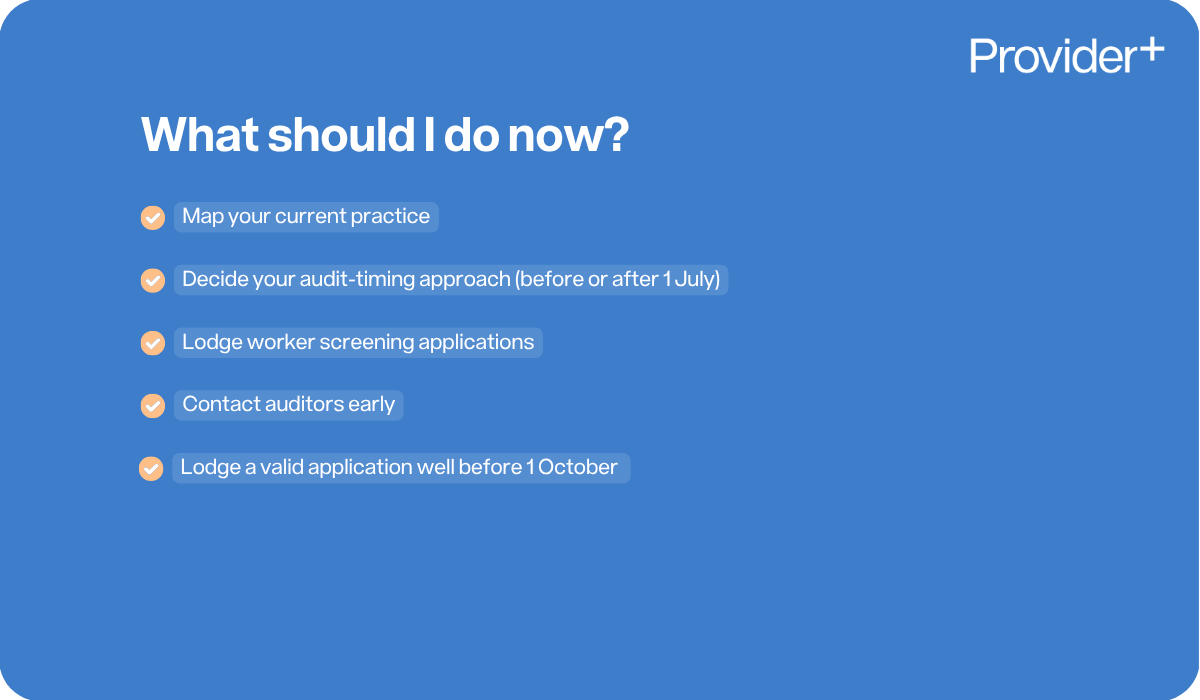
- Map your current practice against the four SIL Practice Standards and the Core Module, and find the gaps.
- Decide your audit-timing approach (before or after 1 July) based on your readiness.
- Lodge worker screening applications for any workers without current clearance.
- Contact auditors early for availability and quotes.
- Lodge a valid application well before 1 October to keep delivering and to keep your options open.
How Provider+ can help
Provider+ helps unregistered SIL providers through the full registration process: the policies and evidence an auditor expects, auditor introductions, and advice on the audit-timing decision specific to your situation.
Frequently asked questions
Can I keep delivering SIL while my application is being processed? Yes. The Commission's transition arrangements let you continue delivering SIL while your application is processed, provided you have a valid application lodged. Currently-delivering providers must have a valid application in by 1 October 2026 to keep operating.
Should I be audited before or after 1 July 2026? An audit before 1 July does not include the new SIL Practice Standards, so its scope is lighter, but you may receive conditions requiring additional audits later. An audit after 1 July includes the new standards in full. The right choice depends on how ready you are against the new standards.
What do I apply for if I apply before 1 July 2026? You apply under registration group 0115, because 0138 does not formally exist before 1 July. The Commission then automatically updates it to 0138 from 1 July 2026. You do not lodge a second application.
What happens if my registration isn't approved? You cannot deliver SIL. There is no partial approval that allows continued delivery, which is why lodging a strong application early matters.
How long does SIL registration take if I start now? Allow six to twelve months from starting preparation to receiving your certificate, covering preparation, application, a two-stage certification audit, and the Commission's review. Auditor availability tightens closer to the deadline.
This guide is general information for SIL providers. It is not legal advice and is not a substitute for the NDIS Practice Standards, the NDIS Act, or guidance from your approved quality auditor. For the authoritative and current position, see the NDIS Commission Reform Hub.
This article was published on 19/06/2026. We strive to keep our content accurate and up to date; however, NDIS Commission rules and requirements can change. For the latest information, visit the NDIS Quality and Safeguards Commission website or contact our team.

Understand exactly why registration takes 6–12+ months


