



What Is an NDIS Verification Audit and How Do You Pass It?
- An NDIS verification audit is generally a desktop audit where an approved quality auditor reviews your documents and evidence. The audit is used for registration groups that fall under the verification pathway.
- Your registration groups determine which audit pathway applies to your application. The NDIS Commission assigns each registration group to either the verification or certification pathway.
- To pass a verification audit, you must provide complete and accurate evidence that meets the requirements for your registration groups. This may include qualifications, experience, insurance and other supporting documents.
What Is an NDIS Verification Audit?
An NDIS verification audit is a document-based assessment used for many lower-risk registration groups. If you are applying to become a registered NDIS provider in a registration group that requires verification, an approved quality auditor will review your documents to confirm that you meet the NDIS Commission's requirements.
The NDIS Commission states that verification audits apply to providers delivering lower-risk and lower-complexity supports. During the audit, an approved quality auditor reviews evidence to verify that your organisation meets the applicable requirements for the registration groups you have selected.
To pass a verification audit, you need to provide the required evidence, demonstrate that your business meets the relevant NDIS Practice Standards and complete the audit process through an NDIS Commission-approved quality auditor. Verification audits are generally a desktop assessment of documents rather than an on-site audit.
Unlike a certification audit, a verification audit does not typically involve a full assessment against all NDIS Practice Standards modules. Instead, the focus is on verifying specific evidence and compliance requirements relevant to the supports being delivered.
According to the official NDIS Commission guidance, providers applying for registration must complete either a verification audit or a certification audit, depending on their registration groups.
Which Providers Need an NDIS Verification Audit?
Providers need a verification audit when their chosen registration groups fall into the verification pathway.
The NDIS Commission's registration framework determines whether a provider requires verification or certification. The audit type depends on the supports being delivered, not simply the size of the business.
Examples of support categories that may fall within the verification pathway include certain lower-risk supports. However, registration requirements can change, and providers should always confirm the current audit pathway for their selected registration groups through official guidance.
Before applying, check:
- Your intended registration groups
- Whether those groups require verification or certification
- Any additional evidence requirements for those supports
- Current NDIS Commission registration guidance
How Do Registration Groups Determine Whether You Need a Verification or Certification Audit?
Your registration groups determine which audit pathway applies to your NDIS registration application.
Every registration group (also called a class of support) is assigned either the verification or certification audit pathway. The registration groups you select when applying for registration will determine the type of audit you must complete.
The NDIS Commission notes that if your application includes both verification and certification registration groups, you must complete a certification audit.
Examples of registration groups that currently require a verification audit include:
- 0108 Assistance with Travel/Transport Arrangements
- 0111 Home Modifications
- 0114 Community Nursing Care
- 0120 Household Tasks
- 0128 Therapeutic Supports
Examples of registration groups that currently require a certification audit include:
- 0104 High Intensity Daily Personal Activities
- 0107 Assistance with Daily Personal Activities
- 0115 Assistance with Daily Life Tasks in a Group or Shared Living Arrangement
- 0131 Specialist Disability Accommodation (SDA)
- 0132 Specialised Support Coordination
- 0138 Assistance with Supported Independent Living (SIL)
Because registration groups directly affect audit requirements, providers should confirm the current classification of each registration group before submitting an application. The NDIS Commission publishes a current registration groups and audit requirements table that should be reviewed during the planning stage.
Selected a registration group that falls under certification instead? Our step-by-step guide, How to Get NDIS Certification: A Step-by-Step Guide for Providers, walks through that process in full.
How Is a Verification Audit Different From a Certification Audit?
A verification audit is generally a desktop review of documents. A certification audit is a more detailed assessment used for higher-risk supports.
Certification audits involve a broader assessment against relevant NDIS Practice Standards and may include additional audit activities.
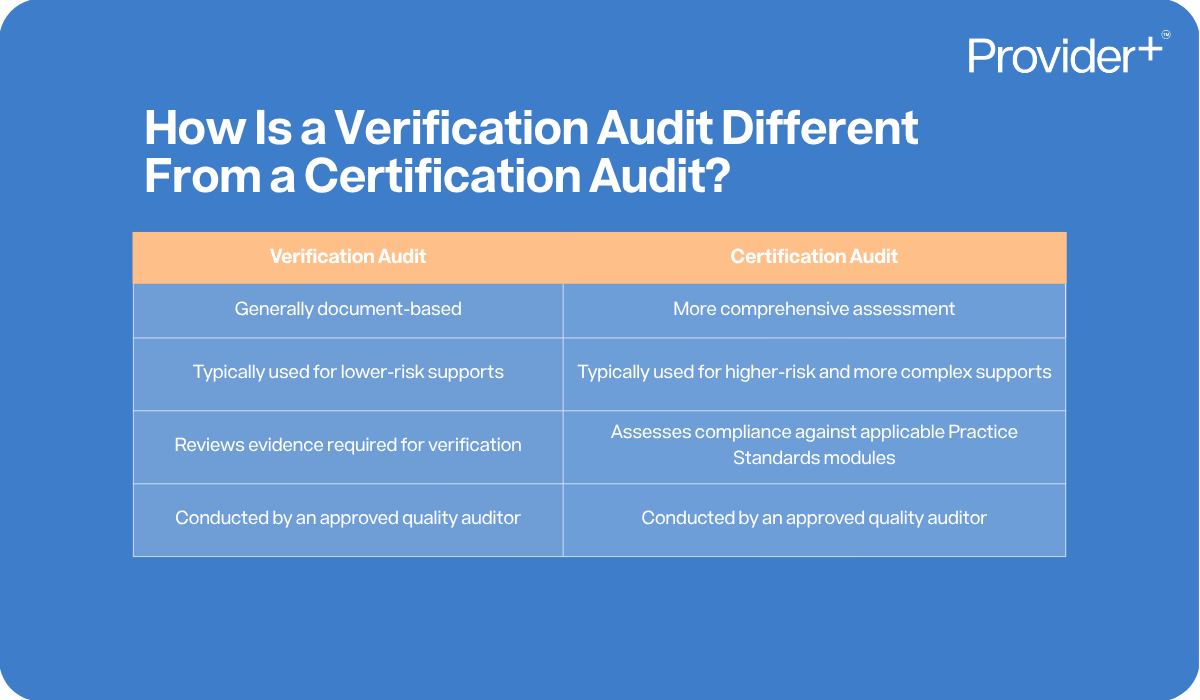
For the complete side-by-side comparison, see our guide: NDIS Certification vs Verification: Which Path Is Right for You?
What Documents Are Usually Required for an NDIS Verification Audit?
The exact documents depend on the registration groups being sought.
The official NDIS Commission guidance explains that verification audits assess evidence demonstrating that providers meet the relevant requirements. This evidence often relates to qualifications, experience, business operations and professional obligations.
Documents commonly requested may include:
- Evidence of relevant qualifications
- Evidence of industry experience
- Professional registrations or memberships where applicable
- Insurance documentation
- Business registration documents
- Policies and procedures required for the selected registration groups
The quality auditor will advise which documents are required for your application.
What Happens During an NDIS Verification Audit?
A verification audit follows a structured process.
While individual audit firms may have slightly different workflows, the process generally includes:
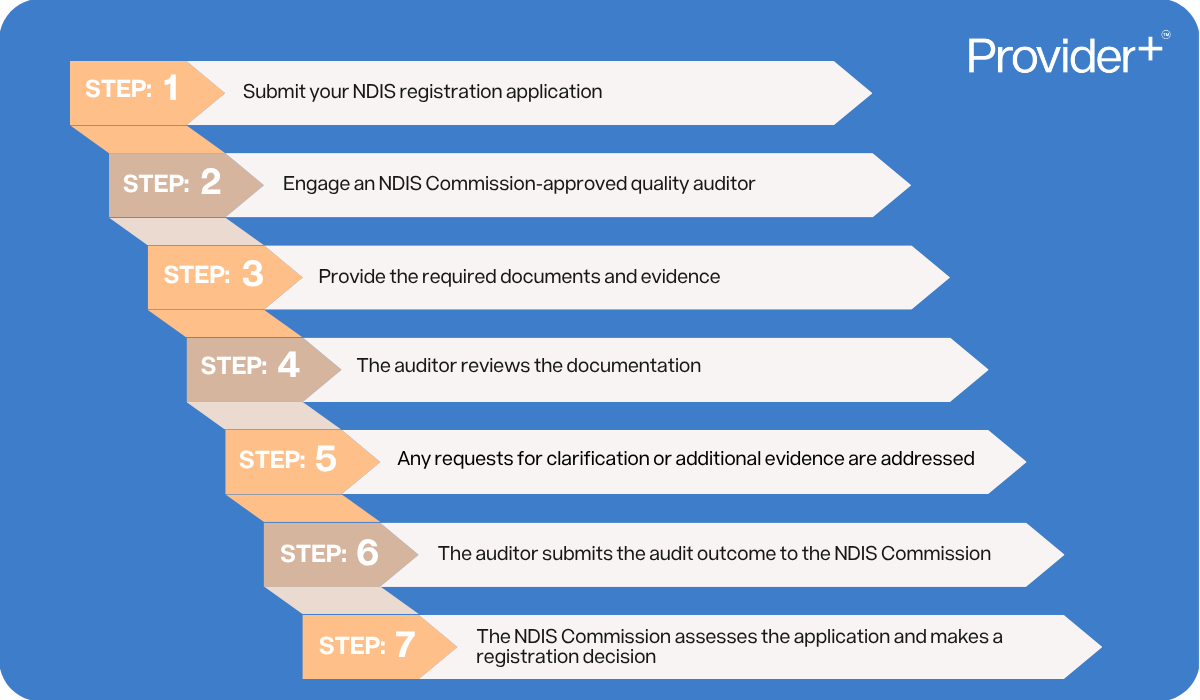
- Submit your NDIS registration application.
- Engage an NDIS Commission-approved quality auditor.
- Provide the required documents and evidence.
- The auditor reviews the documentation.
- Any requests for clarification or additional evidence are addressed.
- The auditor submits the audit outcome to the NDIS Commission.
- The NDIS Commission assesses the application and makes a registration decision.
Approved quality auditors play a key role in assessing whether providers meet the applicable requirements before registration can be granted.
Passing a verification audit can feel like a lot rests on getting the paperwork exactly right — and in a sense, it does. But most audit issues come down to a handful of avoidable gaps, not major compliance failures. Here's what actually helps.
How Do You Pass an NDIS Verification Audit?
You pass a verification audit by providing complete, accurate and compliant evidence that satisfies the auditor's requirements.
Many audit issues occur because documents are incomplete, inconsistent or missing.
To improve your chances of success:
Do your registration groups match your services?
Choose registration groups that accurately reflect the supports you intend to deliver.
Incorrect registration groups can create unnecessary audit requirements and delays.
Are your documents complete and current?
The auditor will assess the documents you provide.
Before submission, check that:
- Documents are signed where required
- Details are consistent across all records
- Licences and registrations are current
- Insurance documents are valid
- Evidence is clear and readable
Can you demonstrate relevant qualifications and experience?
The verification pathway focuses heavily on evidence. Providers must demonstrate they meet the relevant requirements for their registration groups. Supporting evidence should clearly show qualifications, experience and professional capability where applicable.
Have you reviewed the relevant NDIS requirements?
The official NDIS Commission guidance outlines the registration requirements and audit process.
Understanding these requirements before the audit can help reduce avoidable issues and requests for further information.
Our team have helped thousands of NDIS providers get through verification and certification audits. If you want expert eyes on your application, get in touch. On our free consultation we’ll explain what the process looks like, let you know what you should be doing next and answer any questions you may have.
What Are the Most Common Reasons Verification Audits Are Delayed?
Most delays occur when required evidence is missing or unclear.
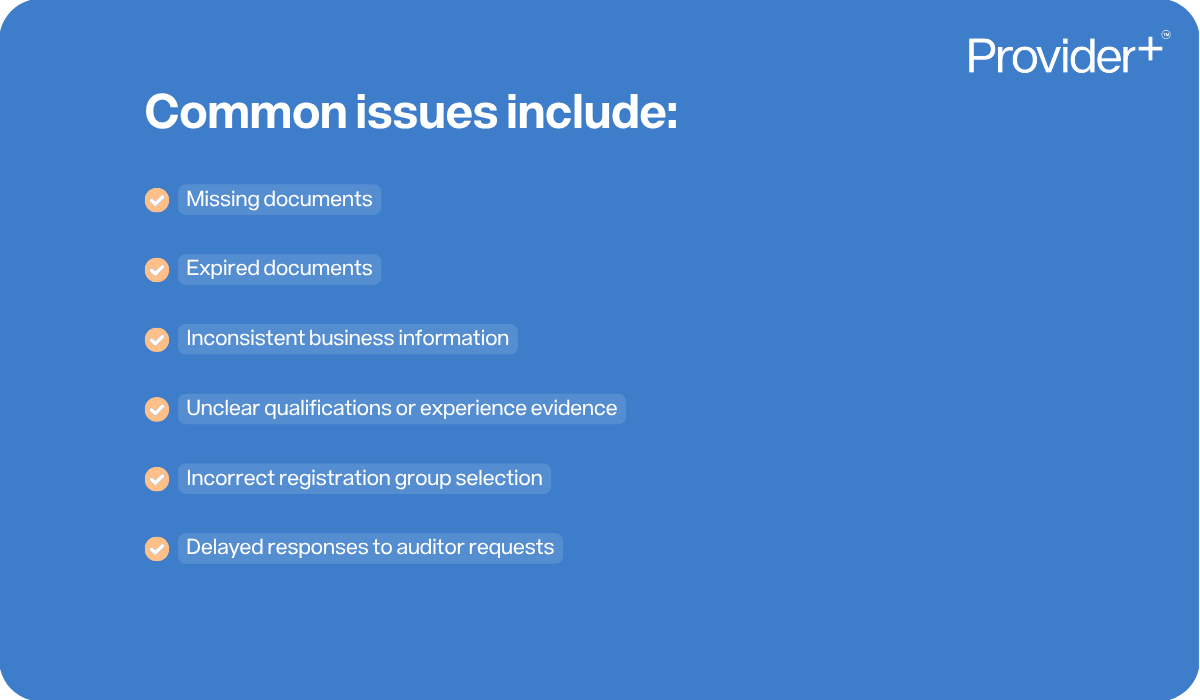
Preparing documentation early can make the process smoother and reduce the risk of delays.
Is a Verification Audit Easier Than a Certification Audit?
A verification audit is generally less extensive than a certification audit, but it still requires careful preparation.
The verification pathway involves fewer assessment requirements than certification. However, providers must still demonstrate compliance with all requirements relevant to their registration groups.
A successful outcome depends on the quality and completeness of the evidence submitted.
We strive to keep our content accurate and up to date; however, NDIS Commission rules and requirements can change. For the latest information, visit the NDIS Quality and Safeguards Commission website or contact our team.
Need help with the NDIS?
Fill in the form below to get started.
FAQs
The purpose of a verification audit is to assess whether a provider meets the requirements for registration in registration groups that follow the verification pathway. This assessment is conducted by an approved quality auditor.
An approved quality auditor conducts the verification audit. The auditor assesses the provider's evidence and submits the audit outcome as part of the registration process.
Berification audits are generally desktop audits that focus on reviewing documents and evidence. Providers should confirm specific audit requirements with their approved quality auditor.
The documents required depend on your registration groups. Verification audits assess evidence that demonstrates a provider meets the relevant requirements. This may include qualifications, professional registrations, insurance documents, business records and other supporting evidence relevant to the supports being delivered.
Providers may apply for multiple registration groups as part of a registration application. The audit requirements will depend on the registration groups selected and whether they fall under the verification or certification pathway.

Understand exactly why registration takes 6–12+ months

.webp)

